You are HEARD
You are not alone! Hear personal stories of AAPI identifying individuals' mental health journey from the Central Valley. Healing is different for everyone and everyone is at different stages of their healing journey. Let's destigmatize mental health taboos together! If you would like to share your personal story please fill out this doc!






-
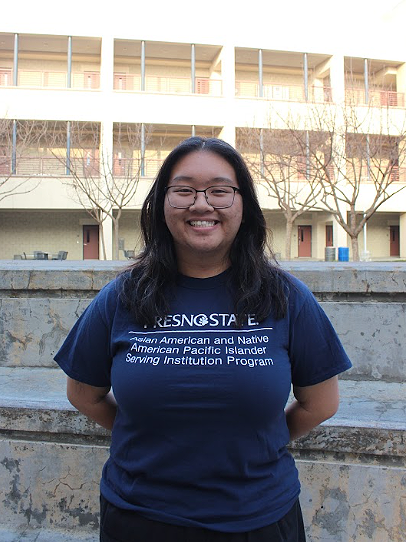
Founder"I am about 3 years in being in therapy and I am happy that it is has been going great for me! I currently see a Hmong woman therapist who I can talk to about traumas from a Hmong cultural perspective. My mental health journey has not been easy, but I now understand why I may act or behave a certain way. Therapy has been helpful for me!"
-
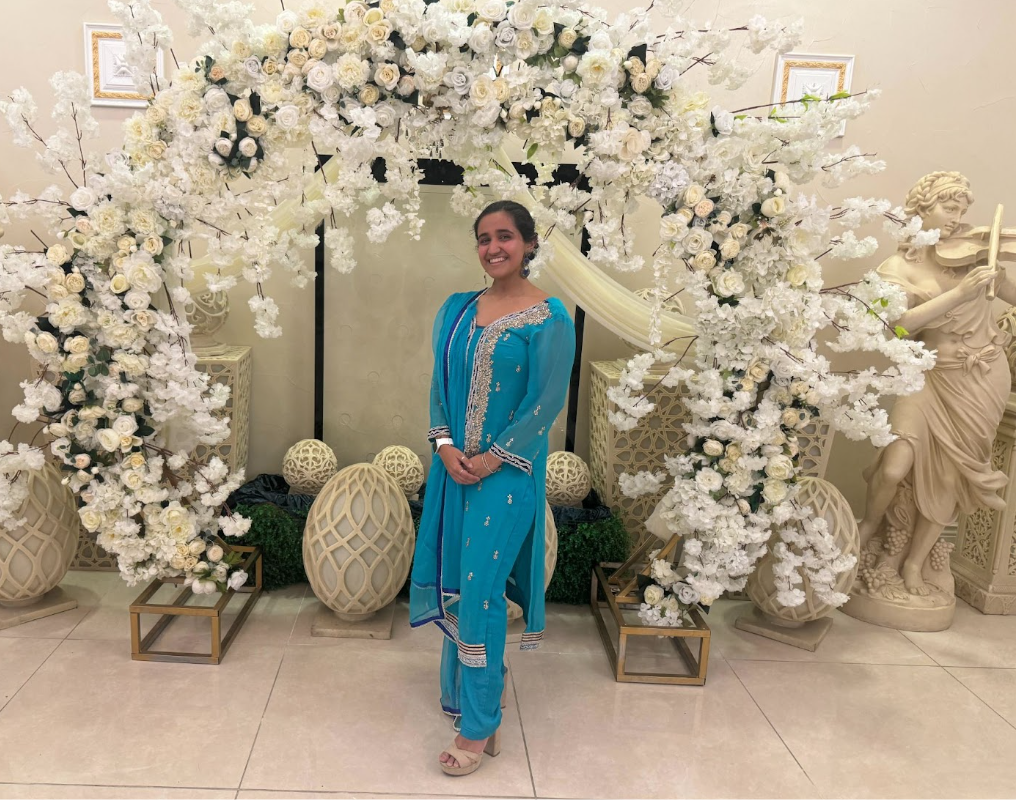
"Mental health is basically non-existent for most Indians/Punjabis, especially the older generations. It's changing (slowly but surely) with the younger generations, but it's still seen as "taboo" to talk about/engage with. However, when I needed to seek outside help with a psychiatrist and a therapist, I took a stand despite the objections I was facing. As the years have gone by, I am grateful that I committed to it because it changed my life and helped me feel a lot better. As we, in the community, see the effects of not taking care of your own mental health (ex. the rising suicide rates), it's becoming something that more and more people are advocating for. The issues are not things as easily brushed off anymore, an they should be taking space in our conversations."

-
"Thankfully, I was able to go to therapy because it was covered by athletics. My therapist has definitely helped me see things from a different point of view while also being given advice from someone who has a professional background and coming from a minority family, as well. Because of that, we both were able to relate to similar experiences growing up and to what we/I experience today"
-
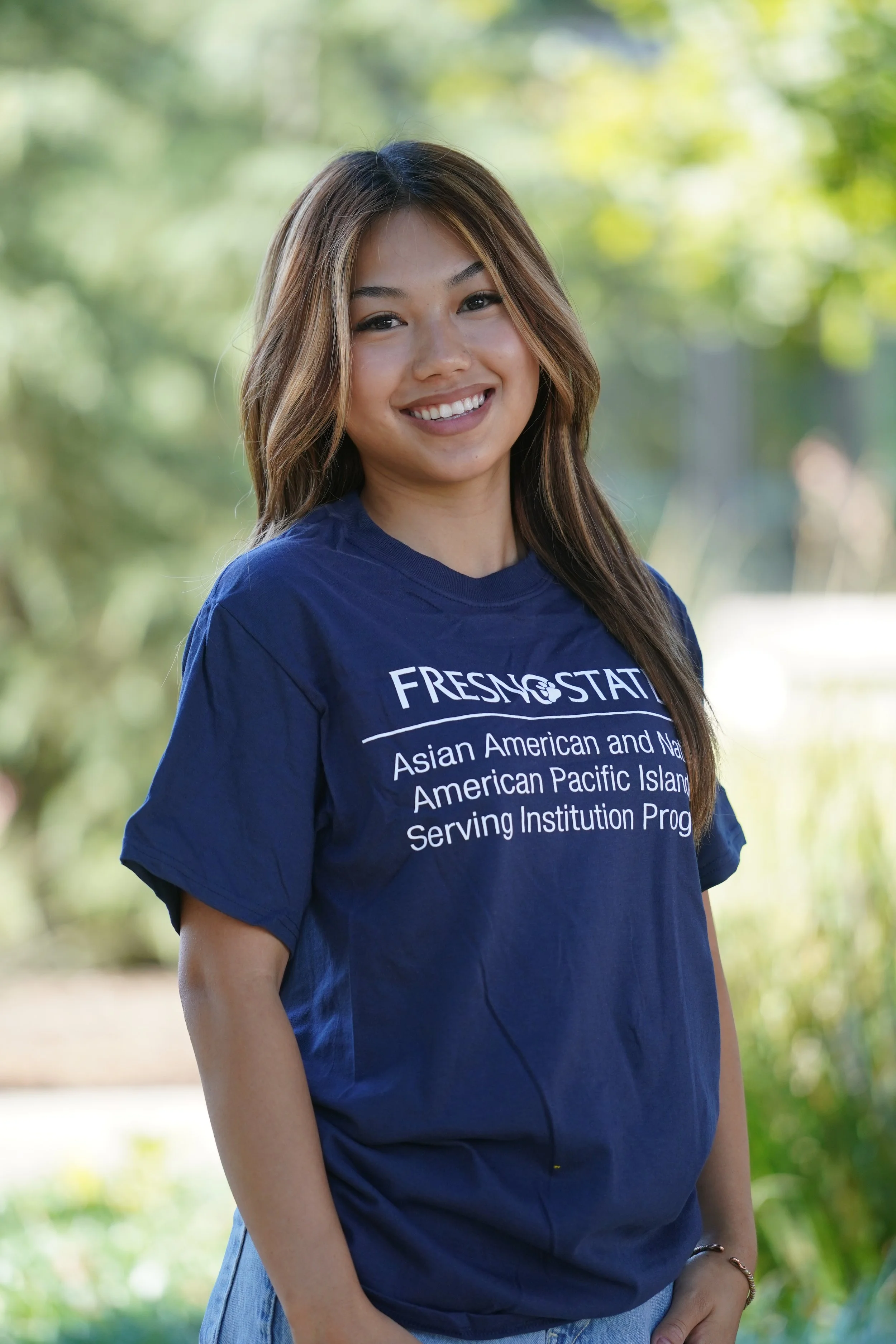
Founder"Mental health was never mentioned in my family. The topic was either dismissed immediately or act as if it did not exist. As being the oldest Hmong daughter in my family, I am expected to serve many duties to my family. This will cause me to overwork myself and push my personal health away which I thought was okay because that what I grew up seeing. It was not until the middle of high school when I started to learn and understand my mental health. As we know, mental health is learning how to control your emotions and take care of it. Personally, mental health has been such a big part of my life because it has taught me to always put myself first. Serving duties as the oldest daughter is important but should not be the main purpose of our life. As the world is in a constant rate of change, our body, mind, our mental will change as well. We should not continue to ignore our mental capacity to satisfied others due to 'culture roles.' Remember, YOU are your FIRST priority."

-
"I've sought out mental health care on campus at Fresno State as a college student, their therapy helped a lot. I attended a focus group at the health center, those were pretty nice. But, getting an appointment is hard, and they are so out from each other that it was a sucky waiting length."
-
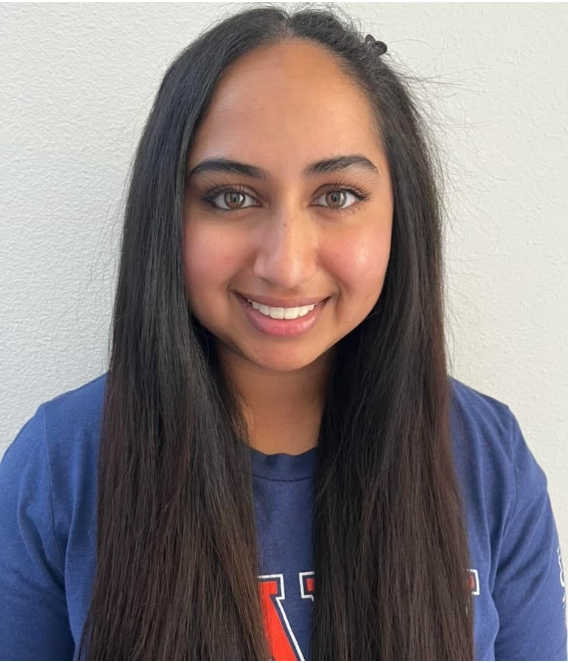
"Growing up, I never faced significant challeneges with my mental health, until my senior year of high school. While some personal factors played a role, the COVID-19 pandemic had a large impact. The isolation took a toll on me, and I developed an eating disorder. It was a difficult time, since I felt like I had lost control, struggled with low self-confidence, and hesitated to burden loved ones with my struggles. It wasn't until the end of my freshman year of college that I made a conscious decision to prioritize my well-being. I surrounded myself with people who uplifted me, discovered new hobbies, and committed to self-care. This led me to get involved with our Student Health & Counseling Center, where I worked to promote the incredible services they offer, particularly individual and group counseling. Looking back, I'm grateful for the challenges I faced. They forced me out of my comfort zone and shaped me into a more resilient, driven person. To anyone struggling mental health, I encourage you to turn your pain into power, whether that means seeking help, making positive changes, or simply giving yourself the grace to rest."